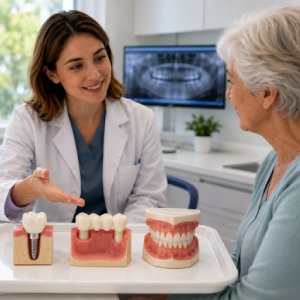
Dental Implants, Bridges, or Dentures? A Midland Decision Guide
If you are missing a tooth (or several), choosing the right replacement is not just about looks. You are also choosing how you will chew, how easy daily cleaning will be, and what you might need to repair or replace years from now. For many people researching dental implants in Midland, Texas, the real question is, "Is an implant actually better for me than a bridge or denture?"
In our experience, the best decision happens when patients compare options using a few practical criteria instead of trying to find a single "best" treatment online. Below is a clear, patient-focused way to evaluate implants, bridges, and dentures, and the exact questions to bring to a consult.
TL;DR - How Midland Patients Compare Tooth-Replacement Options
Dental implants, bridges, and dentures can all replace missing teeth, but they solve different problems. A good choice depends on stability, how much tooth structure you want to preserve, and the maintenance you can realistically keep up with.
- Choose implants when you want a fixed, stand-alone tooth replacement and strong chewing stability.
- Choose a bridge when adjacent teeth already need crowns or when anatomy makes an implant less ideal right now.
- Choose dentures when you need to replace many teeth efficiently and want a removable option.
- Ask about bone support, gum health, and bite forces, because these often decide what is realistically possible.
- Review long-term upkeep (cleaning tools, relines, repairs) before deciding based on upfront cost alone.
What Makes Tooth Replacement "Worth It" (Beyond Appearance)
A missing tooth can change how your bite distributes pressure, which may put extra stress on neighboring teeth. Over time, the teeth around the gap may drift, and the opposing tooth can over-erupt. That is why a replacement plan is often part of protecting long-term oral function, not just smile aesthetics.
If you want a broader preventive perspective before choosing a restorative option, our dental care in Midland page outlines the basics of keeping teeth and gums stable over time.
Dental Implants Midland: When a Fixed, Stand-Alone Tooth Matters Most
Dental implants replace the tooth root and the visible crown. Because the implant is anchored in the jawbone, it is often chosen for stability and for keeping the replacement tooth independent of neighboring teeth.
Implants Tend to Be a Strong Fit If You Want:
- Stability for chewing, especially if you feel limited by a removable option
- No reliance on adjacent teeth for support (important if those teeth are healthy)
- Simple cleaning access similar to a natural tooth (brush and floss, plus any recommended aids)
- A long-term plan that is designed to be fixed rather than removable
If you are exploring implants now, start with our dedicated service page on dental implants in Midland for the foundational benefits and treatment overview.
Experience Note From Our Team
One pattern we see in day-to-day dental care is that patients who value a "set it and forget it" routine often lean toward fixed options. They typically prefer fewer moving parts and less day-to-day fuss, even if it means more planning upfront.
Dental Bridges: Best When Neighboring Teeth Already Need Support
A traditional bridge replaces a missing tooth by using the teeth on either side as anchors (usually with crowns). It can be a great solution in the right situation, especially when the supporting teeth already need crowns due to existing restorations or structural issues.
Bridges May Be a Good Option When:
- The teeth next to the gap already need crowns (so the tradeoff is smaller)
- You want a fixed (non-removable) solution but an implant is not the best match right now
- You prefer a plan that may be completed without implant surgery
Important Tradeoff to Understand
A bridge usually requires reshaping healthy tooth structure on the supporting teeth. That does not automatically make it the wrong choice, but it is a key point to discuss with your dentist when comparing long-term preservation.
Dentures: Efficient for Replacing Many Teeth, With Removable Convenience
Full or partial dentures can replace multiple missing teeth. For some patients, the removable nature is a benefit. For others, it is a drawback, especially if they have dealt with movement, sore spots, or difficulty chewing certain foods.
Dentures Can Make Sense If You Need:
- A way to replace several teeth at once
- A removable solution you can take out to clean
- A plan that can often be adjusted over time as the mouth changes
Where Dentures Can Feel Limiting
Dentures rest on gums and underlying bone, so changes in jaw shape over time can affect fit. Some patients also feel less confident with certain foods or worry about movement in social situations.
The Comparison That Usually Decides It: Stability, Tooth Prep, and Maintenance
If you are choosing between implants, bridges, and dentures, these decision points typically matter more than the marketing terms:
- Stability: How important is a fixed feel when you chew and speak?
- Tooth preservation: Are you comfortable reshaping neighboring teeth to support a bridge?
- Bone and gum support: Is there adequate support for an implant, or would preparation be needed?
- Daily maintenance: Do you prefer brush/floss style care, or removable cleaning?
- Longevity expectations: Are you planning for the next few years, or for a long-term solution?
Questions to Ask Your Dentist at a Tooth Replacement Consult
Bring these questions to your appointment. They help you compare options without guesswork:
- Based on my bite and chewing forces, which option is most stable for me?
- Do the teeth next to the gap look healthy enough to leave untouched, or do they already need crowns?
- Is there enough bone for an implant, and if not, what are the alternatives?
- What does daily cleaning look like for each option?
- What repairs or replacements are most common with each option over time?
If dental anxiety is part of what has delayed treatment, you can also review our options for sedation dentistry in Midland before your visit.
FAQs
For many patients, dental implants feel the most like natural teeth because they are fixed in place and do not rest on the gums the way removable dentures do. A well-made bridge can also feel very natural, but it still relies on the teeth next to the gap for support.
A traditional bridge typically requires reshaping the neighboring teeth (abutments) so crowns can support the replacement tooth. That is not always a problem, but it is an important tradeoff to understand, especially if those teeth are otherwise healthy.
Often, yes. The key questions are bone volume and gum health. If the jawbone has thinned over time, your dentist may discuss options that can help rebuild support before or during implant planning.
Yes. Implant-supported dentures use implants as anchors, which can improve stability and reduce slipping compared with traditional removable dentures. Your dentist can explain whether a snap-in style or a fixed option fits your needs.
A good decision balances upfront cost, expected longevity, maintenance, and how important fixed stability is to you. Many patients find it helpful to review financing options and compare what future repairs or replacements may look like with each choice.
Related Reading
Conclusion: Choose the Option That Matches Your Life, Not Just Your Tooth Gap
The right solution is the one that matches your health, your goals, and the way you want your dental care to feel day to day. Some patients want the most stable fixed option possible. Others prioritize minimizing tooth preparation, or they need a removable solution that can replace multiple teeth efficiently.
If you are comparing options and want a personalized recommendation, schedule a consult with Chet Gray DDS and our team. Call 432-694-5741 to discuss implants, bridges, or dentures and get a clear plan for your next step.